← All experiments · AI Lab home
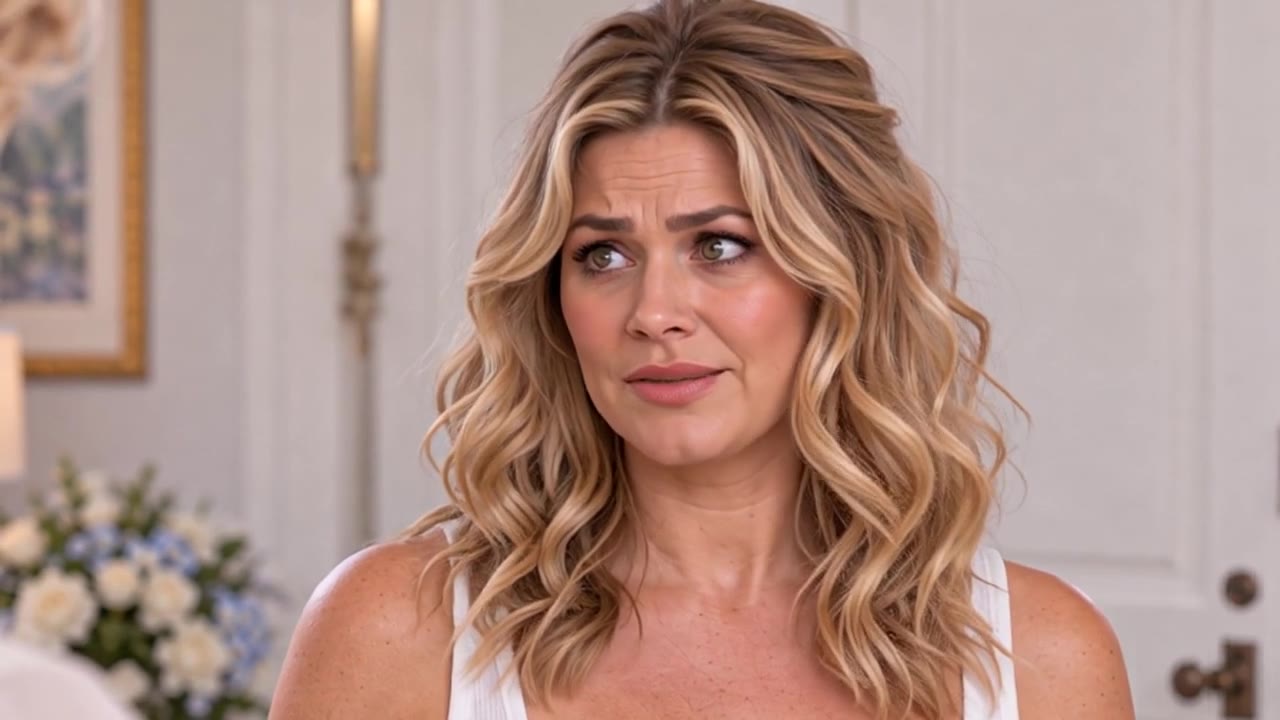
What does it take to turn a novel into a short drama an audience can follow—and an author can direct? This experiment adapts Bridesmaids & Bourbon by Sydney Marsh into short episodes with a fictional AI-generated cast. The first two episodes are finished, totaling 2 minutes and 33 seconds, with separate widescreen and vertical edits.
The screening room includes both episodes individually, a back-to-back version, and downloadable MP4s in both formats. This write-up records the experiment through October 1, 2026; the wider adaptation remains in progress.
From a live writing session to the screen
Bridesmaids & Bourbon was created live on the Future Fiction Academy YouTube channel in July 2025. This adaptation returns to that story in a new form. You can read the book at Future Fiction Press.
Watch the original writing sessions:
The author directs
Elizabeth Ann West (EAW) acted as director and studio head. She chose the dramatic beats, judged performances, corrected continuity, and approved each section. The agent handled technical production, editing, file management, and delivery.
The distinction mattered. Early cuts crowded too much information into one episode. Characters appeared before the audience understood their relationships. Some performances felt flat; some physical actions did not make sense. Better instructions helped, but watching the results and giving specific direction was essential.
The opening became a panicked search on a crowded bus, followed by a rewind to a Kentucky wedding weekend. The wedding sign comes before the flowers. Taylor carries her own phone. Emily calls Catherine “Mama.” These decisions make the setting, relationships, and sequence of events clearer to a viewer.
The breakthrough was working in clips
We shifted from producing a whole scene at once to building short, reviewable clips. Each clip had a dramatic purpose: a question, an interruption, a reaction, or a solution. EAW could approve a performance before we built the next section around it.
The working sequence became:
- Adapt the scene into visible action and spoken dialogue.
- Specify character references, wardrobe, blocking, props, and sound.
- Generate a short performance and inspect what actually happened.
- Match selected dialogue to the saved cast voice and check lip timing.
- Edit the clip into the sequence and review the join.
- Preserve the approved version and record its sources and cost.
“Clips make episodes. Episodes make the whole movie” became the practical organizing principle. Reusing approved footage meant a small correction did not require replacing an entire scene.
Voices, sound, and two compositions
The successful workflow used the video model’s native acted dialogue as the timing source. Selected lines were converted into saved ElevenLabs cast voices, then checked against the performance. A correct voice ID alone did not guarantee the right sound: identity, intensity, clarity, and lip synchronization still needed review.
Dialogue, ambience, effects, and music were handled separately. EAW supplied Suno music and stated commercial rights to the recordings. The edit needed controlled fades and appropriate room sound, rather than music covering every gap. Media preparation used FFmpeg; editable timelines and project exports were preserved in DaVinci Resolve Studio.
Widescreen and vertical were separate editorial compositions. Vertical framing follows the face, handoff, or phone that matters. Cropping cannot recover action outside the source image. The finished exports are 1280×720 and 720×1280 at 24 frames per second.
What it cost
These are recorded OpenRouter charges through October 1, including development, rejected attempts, reviews, and revisions:
| Production | Recorded charges | ElevenLabs credits |
|---|---|---|
| Episode 1 | $40.08 | 1,459 |
| Episode 2 | $40.16 | 2,369 |
| Shared tests and setup | $3.93 | 100 |
| Total | $84.17 | 3,928 |
The early tests—approximately $4—are included in shared setup. Reused footage is counted once. Assembling the final back-to-back version added no generation charge.
These are provider charges, not the full cost of production. ElevenLabs credits have not been assigned a subscription dollar cost. Software purchases, other subscriptions, unmetered image tooling, labor, local computing and storage, and taxes are excluded. Some failed requests lack individual price records; the recorded charges reconcile with the provider’s aggregate account usage within rounding.
See the costs for every production and revision round →
Other tools and costs
EAW reported the following subscription and software costs for this production:
| Tool | Cost EAW reported | Role |
|---|---|---|
| ElevenLabs | $22 per month | Saved cast voices and audio work |
| ChatGPT / Codex | $200 per month | Astra 6 for the AI-assisted editing and technical production work |
| DaVinci Resolve Studio | $295 one-time purchase | Editing software |
That is $222 per month in these subscriptions, plus the $295 software purchase, separate from the $84.17 in recorded OpenRouter charges. These tools can support work beyond these two episodes, so their full prices have not been assigned to either episode. ElevenLabs credits are usage within its plan, not an additional dollar charge in this accounting. Labor, music subscription costs, local computing and storage, and taxes remain unallocated. The prices above describe EAW’s setup, not a promise of future vendor pricing.
What we are keeping for the next episode
The production now has an indexed resource library, continuity notes, saved cast references, versioned approvals, a cost ledger, and instructions for continuing the work. Earlier cuts remain available as development history. Approved masters and the editable project are preserved.
Storage is a separate finishing decision. Alternate takes, stems, review copies, and backups can dwarf the final MP4s. An archive makes those materials findable; it does not free disk space. Deletion or a move to long-term storage requires a reviewed file list and a verified retained copy.
This experiment supports a useful working method: make creative decisions in small sections, preserve what works, and keep the evidence needed to continue. Two finished episodes do not establish a fixed price or a fully automatic process for an entire season.